Artificial Intelligence, Machine Learning, and Deep Learning are three terms that are often used interchangeably, but they are not the same. While they are closely related, each represents a different level of capability within modern computing. Understanding the difference helps businesses and individuals better grasp how intelligent systems actually work.
What Is Artificial Intelligence?
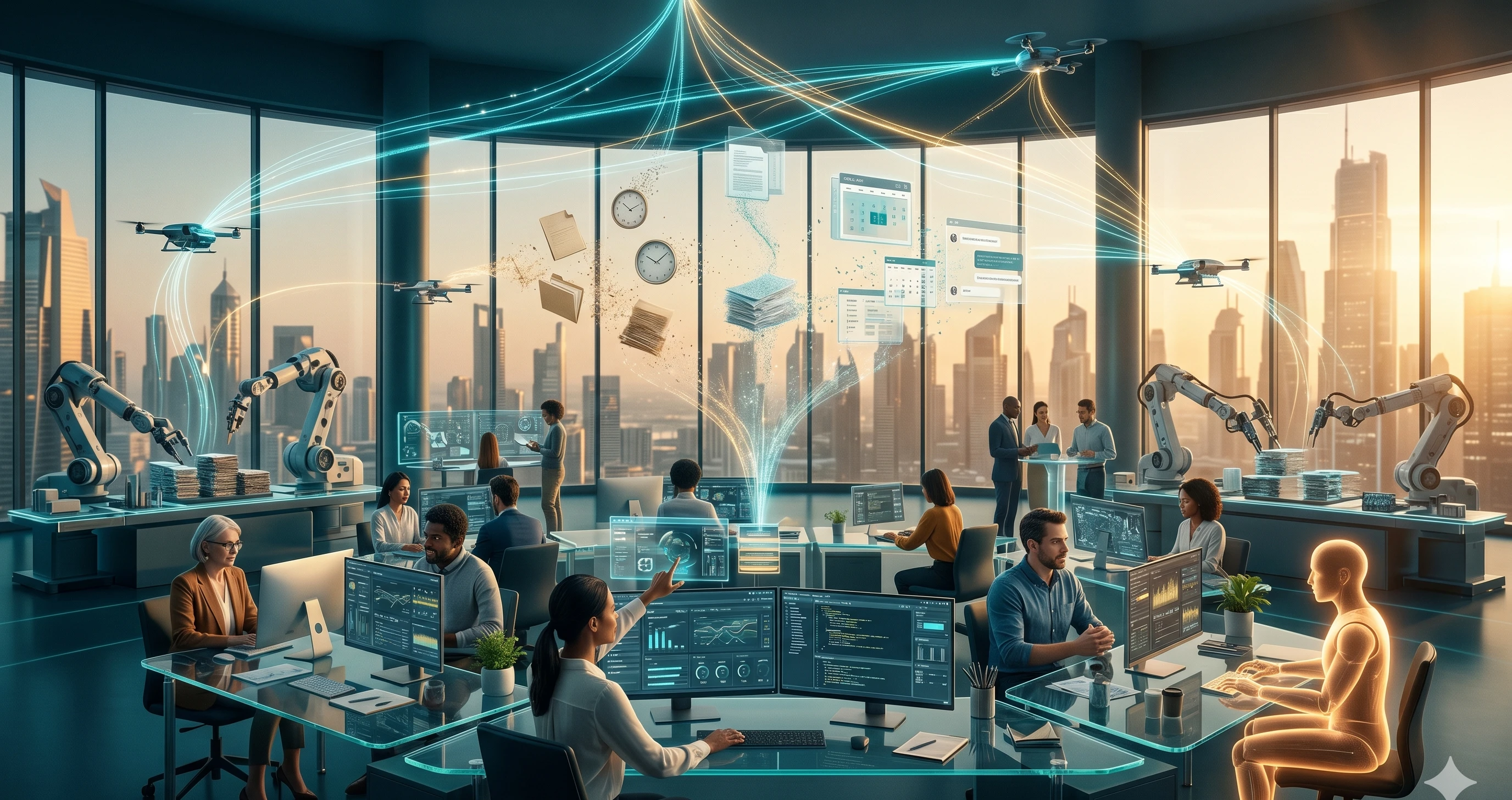
Artificial Intelligence is the broadest concept among the three. It refers to machines or systems designed to simulate human intelligence and perform tasks that typically require human thinking — problem-solving, decision-making, language understanding, and visual perception.
AI can be rule-based (following predefined instructions) or learning-based (improving over time). In simple terms, AI is the overall field that focuses on making machines "smart."
Examples of AI include chatbots, virtual assistants like Siri or Alexa, and recommendation systems on streaming platforms.
What Is Machine Learning?
Machine Learning is a subset of AI that focuses on enabling systems to learn from data without being explicitly programmed. Instead of following fixed rules, ML systems analyze patterns in data and improve their performance over time.
For example, email spam filters learn to detect spam based on past emails, e-commerce platforms recommend products based on user behavior, and fraud detection systems identify unusual transactions.
Machine Learning makes AI more adaptive and data-driven. It is widely used in business analytics, automation, and prediction systems.
What Is Deep Learning?
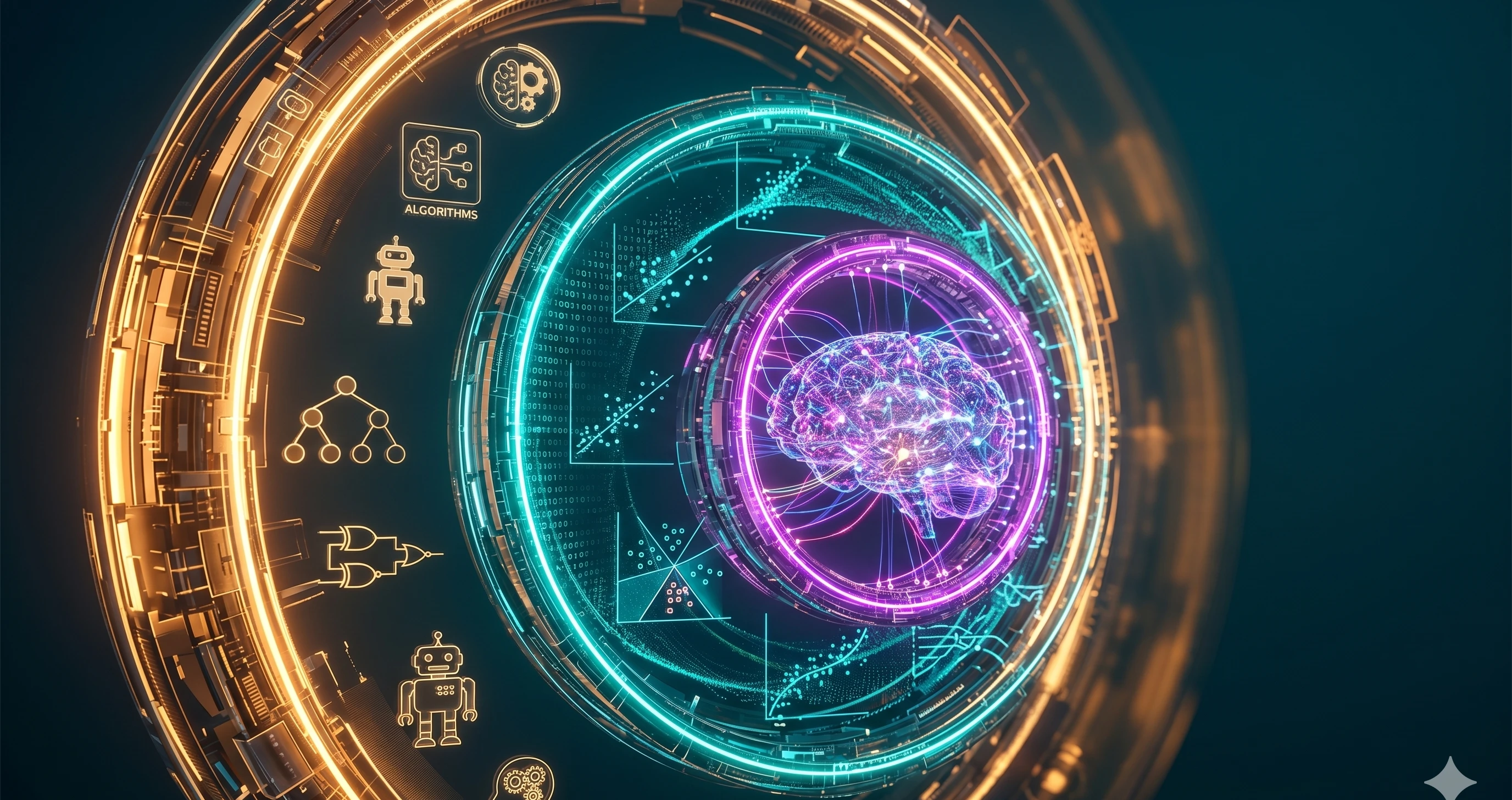
Deep Learning is a more advanced subset of Machine Learning. It uses artificial neural networks inspired by the human brain to process large amounts of data and identify complex patterns.
Deep Learning is especially powerful for tasks involving unstructured data such as images, videos, audio, and natural language. Examples include facial recognition systems, voice assistants, self-driving car technology, and advanced language models.
Deep Learning requires large datasets and high computing power, but it delivers highly accurate and sophisticated results.
Key Differences Between AI, ML, and DL
AI, ML, and DL are best understood as layers:
- AI: is the overall concept of making machines intelligent
- Machine Learning: is a method that allows AI systems to learn from data
- Deep Learning: is a specialized form of ML using neural networks for complex tasks
In simple terms: Deep Learning is a subset of Machine Learning, which is a subset of Artificial Intelligence.
How They Work Together
These technologies are not competitors — they work together to build intelligent systems. For example, in a voice assistant: AI enables the system to function intelligently, Machine Learning helps it understand user patterns and improve responses, and Deep Learning processes voice and language for accurate recognition. Together, they create seamless and intelligent user experiences.
Why This Matters for Businesses
Understanding the difference helps businesses choose the right technology for their needs. AI is used for automation and decision-making systems, ML is used for prediction and data analysis, and DL is used for advanced applications like image recognition and natural language processing. By leveraging the right level of intelligence, businesses can improve efficiency, reduce costs, and create better customer experiences.