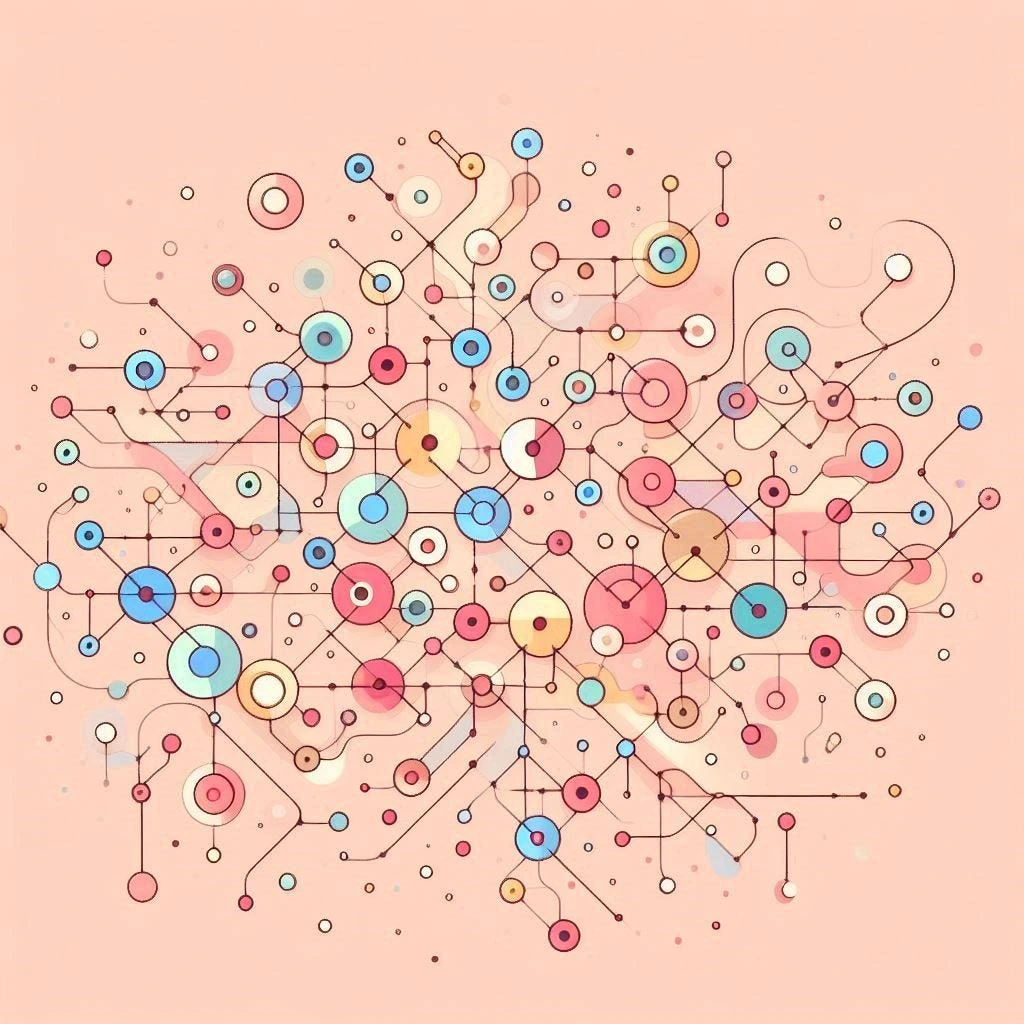
In modern enterprises, data is abundant — but often disconnected. Traditional systems store information in tables and silos, making it difficult to understand how different pieces of data relate to one another. This is where knowledge graphs become a foundational layer for enterprise AI, transforming isolated data into connected, meaningful intelligence.
What Are Knowledge Graphs?
A knowledge graph is a structured representation of data where entities — such as people, organizations, transactions — are connected through relationships. Instead of storing data in rows and columns, knowledge graphs model real-world interactions as networks. For example:
- A customer is linked to multiple accounts
- A transaction is connected to locations and devices
- A contract is associated with clauses, parties, and obligations
This approach enables systems to understand context, not just store data.
Why Enterprises Need Knowledge Graphs
As organizations scale, data becomes increasingly fragmented across systems — CRMs, ERPs, documents, and analytics platforms. Without a unifying layer, valuable insights remain hidden.
Knowledge graphs solve this by unifying data across sources into a single connected model, enabling context-aware analysis, supporting real-time decision-making, and improving data quality through entity resolution. They act as the intelligence backbone that connects structured and unstructured data across the enterprise.
Key Enterprise Use Cases
**Fraud detection.** Knowledge graphs uncover hidden relationships between entities — such as shared addresses, devices, or identities — helping detect complex fraud patterns that traditional systems miss.
**Compliance and risk management.** Organizations can track regulatory relationships, monitor obligations, and identify risks across interconnected datasets, ensuring better compliance and auditability.
**Advanced analytics.** Graph-based analytics reveal patterns, trends, and dependencies that are difficult to detect in tabular data, enabling deeper business insights.
**Customer intelligence.** By linking interactions across touchpoints, enterprises can build a 360-degree view of customers, improving personalization and engagement.
How Graph Databases Transform Insights
Graph databases like Neo4j are designed to efficiently store and query relationships. Unlike traditional databases, they allow faster traversal of connected data, complex relationship queries in real time, and dynamic schema evolution as data grows.
This makes it possible to ask powerful questions such as: How are these entities connected? What hidden relationships exist across datasets? Where are the potential risk clusters?
The answer to each of these questions is what turns raw data into intelligence.